
Muay Thai ED Visa Thailand (2026): How to Get an ED Visa & Stay Legally
Published Updated
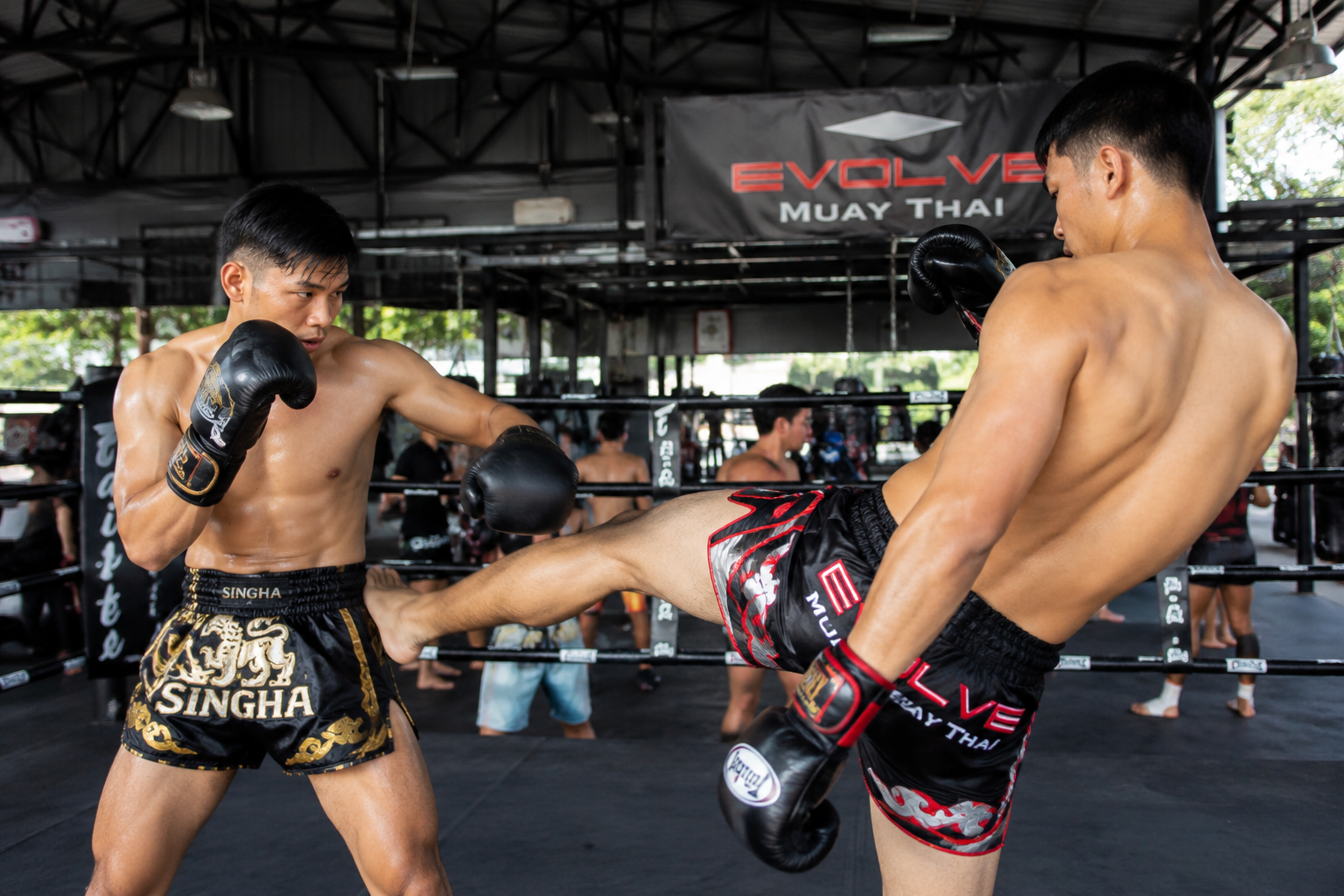
Muay Thai ED Visa Thailand (2026 Guide): How to Stay in Thailand Legally While Training
Thailand welcomes tens of millions of visitors each year. For many, what begins as a two-month holiday quickly becomes something more permanent. Between the country's tropical climate, relatively affordable cost of living, vibrant culture, and world-renowned Muay Thai tradition, it's easy to understand why so many travelers want to extend their stay.
One question consistently comes up among long-term visitors and digital nomads:
Can you legally stay in Thailand by learning Muay Thai?
The short answer is yes.
A Muay Thai Education Visa (ED Visa) allows eligible foreign nationals to remain in Thailand while studying at a government-approved Muay Thai school. But despite its growing popularity, the visa is widely misunderstood. Applying too late—or choosing the wrong school—can create unnecessary complications.
This guide explains how the Muay Thai ED Visa works in 2026, who qualifies, how the application process unfolds, typical costs, and the mistakes to avoid.
What Is a Muay Thai ED Visa?
A Muay Thai ED Visa is a Non-Immigrant ED (Education) Visa issued to foreign nationals enrolled in an approved Muay Thai training program.
Unlike a tourist visa, which is intended for short-term travel, the Education Visa is designed for individuals who are genuinely studying in Thailand.
While Thai language schools remain the most common sponsors of ED visas, a growing number of licensed Muay Thai schools are also authorized through Thailand's Ministry of Education to sponsor eligible students.
For many foreigners, the visa offers an opportunity to live in Thailand while training consistently and experiencing one of the country's most respected cultural traditions.
Who Can Apply?
Most nationalities are eligible, provided they meet the school's enrollment requirements.
Many applicants begin the process while already in Thailand under one of the following:
- Tourist Visa
- Visa Exemption
- Certain other eligible visa categories
Your current immigration status determines which application process you'll follow.
Can You Apply While Already in Thailand?
In many cases, yes.
If you're already living in Bangkok, Phuket, Chiang Mai, Pattaya, or elsewhere in Thailand, you may be able to convert your current permission to stay into an Education Visa without leaving the country, provided you meet immigration requirements.
In other situations, immigration may require you to obtain the visa through a nearby Thai embassy or consulate before returning to Thailand.
Whether you can apply from inside Thailand depends on several factors, including:
- Your current visa type
- The remaining validity of your stay
- Your nationality
- The school's internal procedures
- Current Thai immigration policies
A reputable school should explain the appropriate process before accepting your application.
The Biggest Mistake Expats Make
The most common mistake isn't choosing the wrong school.
It's waiting too long to apply.
Many travelers assume they can enroll just a few days before their tourist visa expires. Unfortunately, that's rarely enough time.
Before immigration can process your application, the school must typically:
- Register your enrollment
- Prepare Ministry of Education documentation
- Receive the necessary approvals
- Complete immigration paperwork
All of this takes time.
If your permission to stay expires on August 1, don't wait until the final week of July.
A more realistic timeline looks like this:
Planning ahead dramatically reduces stress and lowers the risk of unexpected complications.
How to Apply for a Muay Thai ED Visa
Although every school follows its own procedures, the process generally consists of five steps.
Step 1: Choose an Approved School
Not every Muay Thai gym can sponsor Education Visas.
Choose a school with official approval, an established reputation, and experience assisting international students through the visa process.
Step 2: Enroll
Most schools will ask for:
- Your passport
- Passport-sized photos (if required)
- Current visa information
- Completed enrollment forms
Tuition is typically paid during registration.
Step 3: School Prepares Your Documents
The school submits paperwork to the Ministry of Education before preparing the documents required by Thai Immigration.
Depending on the institution, this stage can take anywhere from several days to several weeks.
Step 4: Immigration or Embassy Processing
Depending on your circumstances, you'll either:
- Submit your application from within Thailand, or
- Visit a Thai embassy or consulate abroad to obtain the visa.
Your school will advise which option applies to your case.
Step 5: Begin Training
Once your visa is approved, you'll begin attending classes according to your school's training schedule.
Remember that the Education Visa exists for genuine students—not simply as a way to extend your stay.
Attendance matters.
How Often Do You Need to Train?
Training requirements vary from school to school.
Some require only a few sessions each week, while others expect more frequent attendance.
In recent years, Thai immigration authorities have increased oversight of Education Visa holders, making genuine participation increasingly important.
If your only objective is staying in Thailand without attending classes, an ED Visa is unlikely to be the right option.
How Much Does a Muay Thai ED Visa Cost?
Costs vary considerably depending on the school and the program.
Typical price ranges include:
- Budget programs: Around 40,000 THB
- Mid-range schools: 50,000–80,000 THB
- Premium programs: 100,000 THB or more
Additional expenses may include:
- Immigration fees
- Visa application fees
- Embassy travel (if required)
- Transportation to training
Before enrolling, ask for a complete breakdown of all costs to avoid unexpected fees later.
Is Bangkok the Best Place to Apply?
For many international students, Bangkok remains the most convenient location.
The capital offers:
- A large selection of approved Muay Thai schools
- English-speaking administrative staff
- Easy access to Thai Immigration offices
- Excellent public transportation
- Highly competitive pricing
Neighborhoods such as Sukhumvit are especially popular thanks to their proximity to the BTS Skytrain and numerous training facilities.
How to Choose the Right Muay Thai School
Before committing to any program, ask the following questions:
- Is the school officially authorized to sponsor ED Visas?
- How many years have they processed Education Visas?
- What's included in the tuition?
- Are immigration fees included?
- How many training sessions are required?
- What happens if immigration requests additional documentation?
A professional school should answer every question clearly and transparently.
Can Thai Immigration Refuse an ED Visa?
Yes.
Approval is never guaranteed.
Applications may be denied if documentation is incomplete, eligibility requirements aren't met, or immigration determines the applicant doesn't qualify under current regulations.
Working with an experienced school and preparing your application early can significantly reduce the likelihood of delays or refusal.
Is a Muay Thai ED Visa Worth It?
For many foreigners, the answer is an unequivocal yes.
Training several times each week provides structure, improves physical fitness, and offers a deeper understanding of one of Thailand's defining cultural traditions.
Rather than simply extending a holiday, the Education Visa encourages visitors to participate in everyday Thai life through discipline, routine, and community.
Many students discover that the friendships they build and the personal growth they experience become just as valuable as the additional time they spend in the country.
Frequently Asked QuestionsCan I work while holding a Muay Thai ED Visa?
No. An Education Visa does not grant permission to work in Thailand.
Can I leave Thailand and return?
Yes, but you'll generally need a re-entry permit before leaving if you want to preserve your permission to stay. Always verify your visa conditions before traveling.
Can I switch from a tourist visa?
In many cases, yes.
Whether you can convert your current status without leaving Thailand depends on your existing visa, immigration requirements, and current government policy.
How early should I apply?
Earlier is always better.
Most experienced schools recommend beginning the process at least three to four weeks before your current permission to stay expires, though starting four to six weeks in advance provides a more comfortable margin.
Do I actually need to attend training?
Yes.
The visa is intended for genuine students, and many schools monitor attendance. Immigration authorities increasingly expect applicants to actively participate in their chosen program.
Final Thoughts
For those who want more than a short holiday, a Muay Thai Education Visa offers one of the most rewarding legal pathways to spending an extended period in Thailand.
The process is straightforward when approached correctly: choose a reputable, government-approved school, begin your application well before your current visa expires, and understand both the school's expectations and Thailand's immigration requirements.
Done properly, a Muay Thai ED Visa offers far more than additional months in the Kingdom. It provides an opportunity to experience Thailand through one of its most celebrated traditions—immersing yourself in a discipline that combines fitness, culture, and community in a way few visitors ever experience.
Properties in Bangkok
 FEATUREDBig space single House in BangKae Petchkasem 7 bedrooms 9 Bathrooms7 bed · 9 bath · CondoTHB 25,000,000
 POPULAR4-story Home office on Lad Pla Kao road. Easy access to Kaset Navamin. Call for special!2 bed · 5 bath · Townhouse/Twin HouseTHB 18,900,000
 NEWone bedroom for rent near Asok1 bed · 1 bath · CondoTHB 27,000 / month
 For rent 2 bedrooms high floor in The Emporio Place2 bed · 3 bath · CondoTHB 75,000 / month
 Condo for investment yearly return 7% for 3 years3 bed · 2 bath · CondoTHB 26,934,110
 Condo for investment yearly return 7% for 3 years2 bed · 2 bath · CondoTHB 22,256,315